

AI Brand Visibility: Who’s Telling Your Brand’s Story?
AI brand visibility is how often, how accurately, and in what context your brand appears in answers from AI-powered search…
-
binomedia
- September 11, 2026

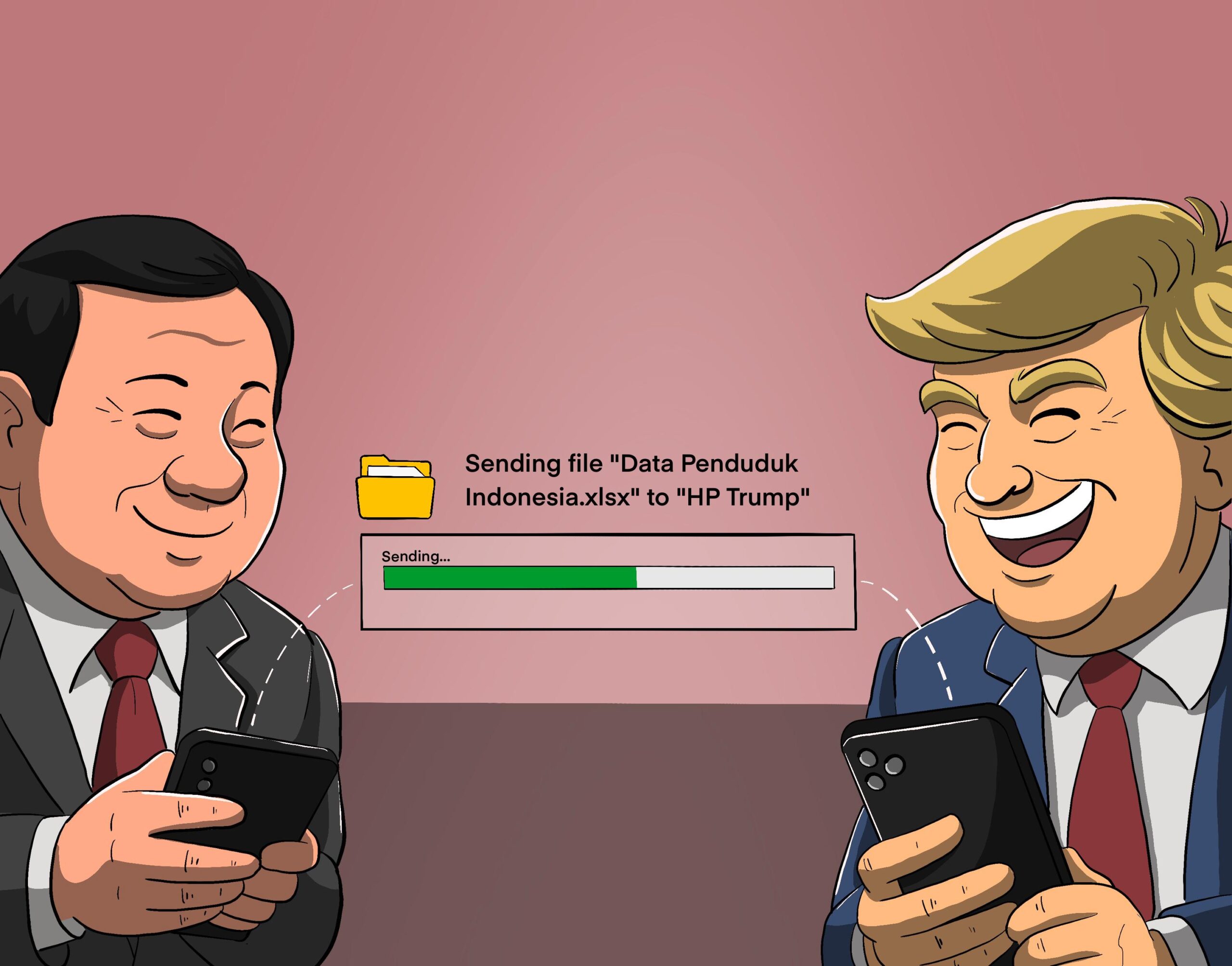
Indonesia’s data-security debate has flared again—this time over a clause in the newly minted trade pact with the United States that permits cross-border transfers of Indonesians’ personal data.
Under the agreement—summarized in the U.S. “Fact Sheet: The United States and Indonesia Reach Historic Trade Deal” (22 July 2025)—Washington cuts its general import duty on Indonesian goods to 19 percent, well below the 32 percent floated earlier by President Donald Trump. In return, Jakarta accepts several conditions, chief among them the free flow of data to U.S. soil on the understanding that U.S. privacy standards are “adequate” under Indonesian law.
The announcement instantly sparked public worry that Indonesian data could be misused. Social media platforms lit up, and mainstream outlets devoted front-page space to the issue.

Using the Socindex social media monitoring tool, Jangkara Data Lab tracked the keyword “transfer data” on X between 21 and 31 July 2025. The platform logged:
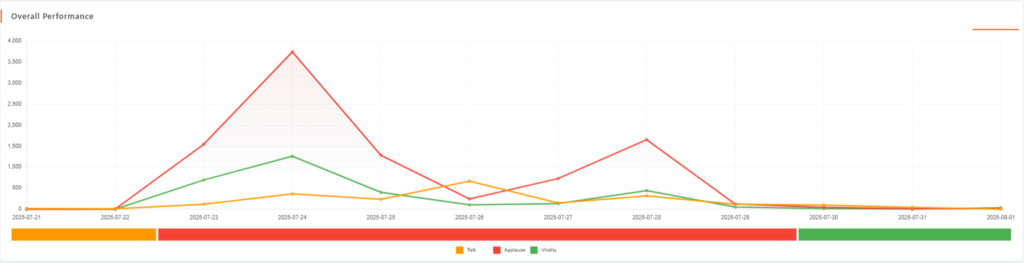
Discussion peaked on 24 July 2025, dominated by questions about whether any transfer would truly comply with Indonesia’s 2022 Personal-Data Protection Law (UU PDP).
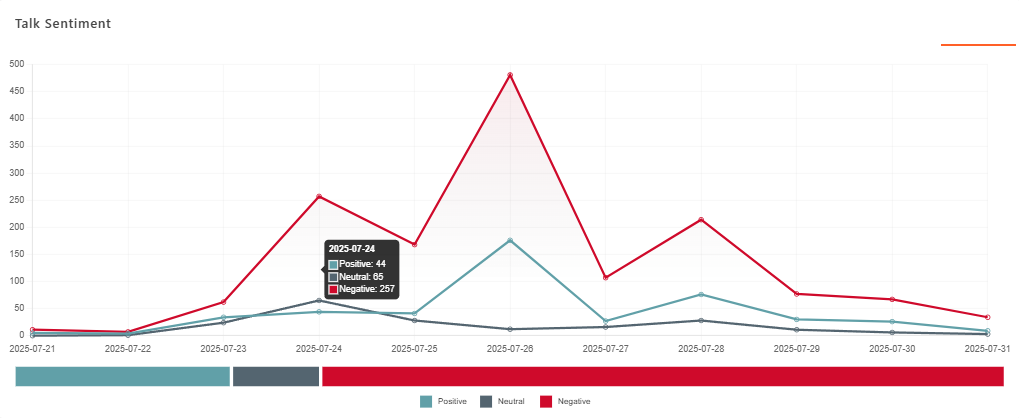
Most comments were negative, citing fears of PDP violations, a clash between economic gain and digital sovereignty, threats to local tech firms, and demands for transparency.
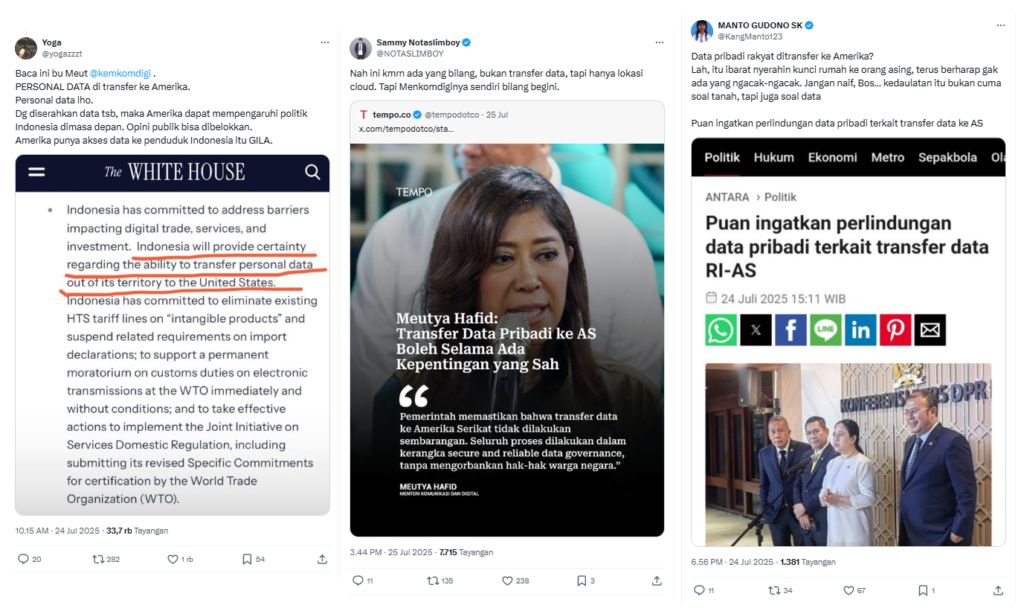
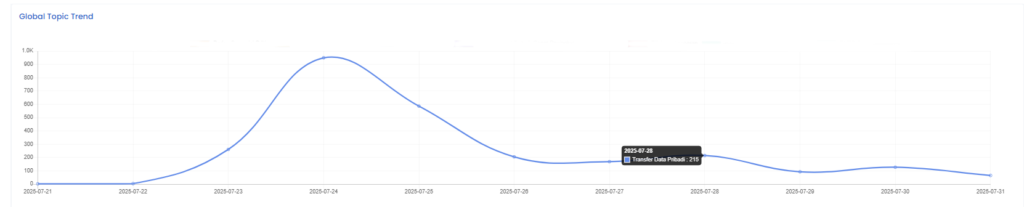
Newstensity recorded 2,678 news items in the same window, with coverage cresting on 24 July. The leading angle: government assurances that any transfer would follow the PDP Law.
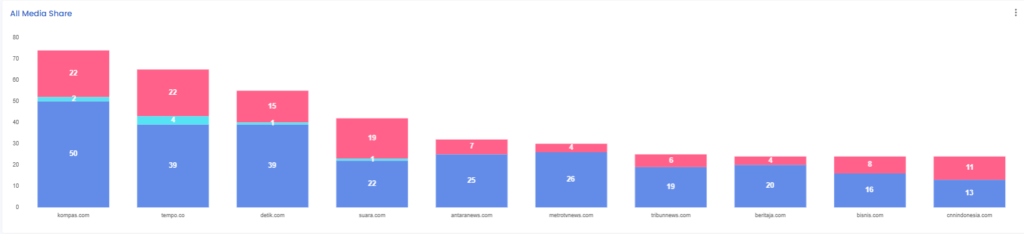
National outlets led the count. Kompas.com ran 74 stories, followed by Tempo.co (65), Detik.com (55), Suara.com (42), and Antara (32).

President Donald Trump topped media mentions, trailed by Indonesia’s Digital Minister Meutya Hafid, President Prabowo Subianto, Economic-Affairs Minister Airlangga Hartarto, and Presidential Communications chief Hasan Nasbi.
Law No. 27/2022 has applied in full since 17 October 2024. Cross-border data transfer is legal only when at least one of three conditions is met (Article 56):
Article 57 keeps Indonesian data controllers fully liable after export; Article 58 empowers the forthcoming Personal Data Protection Authority (OPDP) to approve or reject transfers. Digital Minister Meutya Hafid argues the pact merely builds a lawful tunnel for data already moving through U.S.-based platforms, all under Indonesian oversight.
Deputy Minister Nezar Patria adds that if U.S. safeguards fall short of adequacy, explicit consent will still be mandatory. He aims to launch the OPDP by August 2025, ideally before the deal is finalized.
NGO ELSAM calls the agreement lopsided—serving U.S. tech firms more than Indonesian citizens—and notes that U.S. surveillance powers under FISA 702 could expose Indonesians’ data without Jakarta’s consent, echoing Europe’s Privacy-Shield collapse. Cyber-security analyst Pratama Persadha stresses the need for an independent watchdog before any large-scale transfer begins.
House Speaker Puan Maharani demands full public disclosure of what data can move and how Indonesians’ rights will be enforced.
The data clause inside the wider tariff deal has ignited a classic sovereignty-versus-commerce debate. While Jakarta vows that personal data remain safe, public skepticism persists—fed by a string of recent breaches. The challenge now is to prove that any transfer is lawful, secure, transparent, and subject to robust Indonesian oversight. Only then can economic diplomacy advance without sacrificing digital sovereignty.
Writer: Catur Noviantoro (jangkara.id), Ilustrator: Aan K. Riyadi

AI brand visibility is how often, how accurately, and in what context your brand appears in answers from AI-powered search…

binomedia

The DTSEN social assistance decile controversy in 2026 is not merely about inaccurate data. Media monitoring and digital conversation analysis…
binomedia

Indonesia’s gross domestic product (GDP) grew by 5.29 percent in the second quarter of 2026. This figure exceeded the median…
binomedia

Artificial intelligence (AI) is transforming education faster than most education systems can respond. Machines can now search for information, summarize…
binomedia

One Event, Two Market Moves On Monday, August 10, 2026, Indonesia’s rupiah closed 0.79% higher at IDR 17,755 per US…
binomedia

On Thursday, July 30, 2026, Indonesian President Prabowo Subianto announced a “cleanest city” competition. The top five cities would win…
binomedia

Before dawn on Friday, 24 July 2026, a mob in Bali beat a man to death. He is identified only…
binomedia

Gen Z is increasingly tuning out advertisements that look overly polished and perfect. Instead, they tend to trust recommendations from…
binomedia

On June 10, 2026, Indomie brought back its Goreng Cabe Ijo flavor after the product had been difficult to find…
binomedia

Companies today use AI to read customer data, monitor public conversations, measure reputation, map issues, and support strategic decision-making. In…
binomedia