

AI Brand Visibility: Who’s Telling Your Brand’s Story?
AI brand visibility is how often, how accurately, and in what context your brand appears in answers from AI-powered search…
-
binomedia
- September 11, 2026

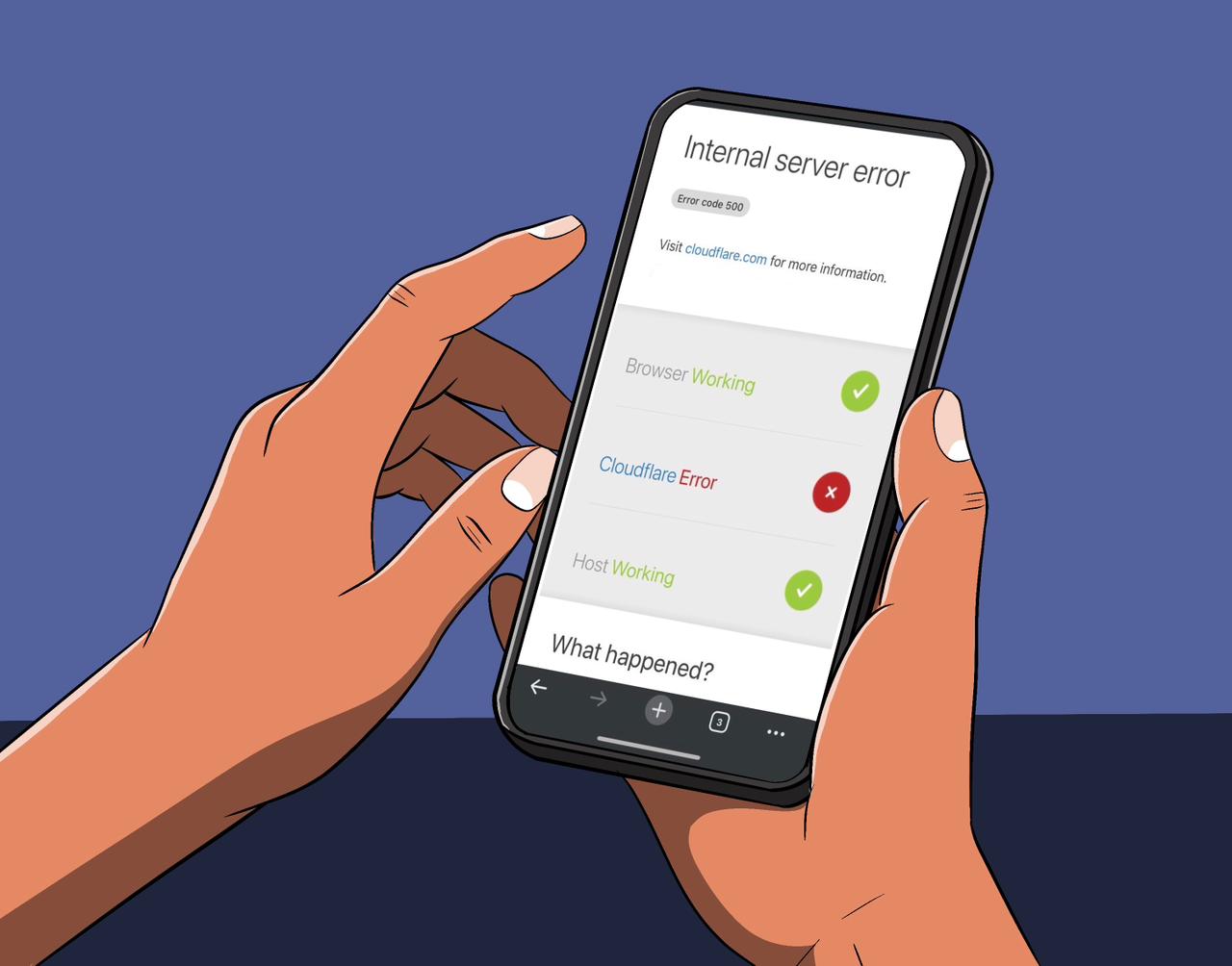
The world was thrown into chaos overnight when multiple major internet services went down — including Binokular, whose web-based platforms for media and social-media monitoring suddenly became inaccessible.
Binokular’s internal team received initial reports at 18:30 WIB, confirming that all customer-facing services, along with several internal tools, had stopped responding. This triggered an urgent recovery protocol aimed at restoring platform access.
However, the root cause did not come from Binokular’s internal systems. The source of the outage was traced to a third-party provider: Cloudflare.
The domain-management dashboard and Cloudflare’s APIs were also down, making it impossible to execute standard recovery procedures or activate the Disaster Recovery Center (DRC) quickly.
By 19:00 WIB, some Binokular services began returning online, though users continued to experience intermittent errors. Full service stability was finally restored at 02:00 WIB — five hours after the incident began.
On Cloudflare’s official status page, the timeline of the outage became clear. The company later issued an explanation through its blog post titled: “Cloudflare Outage on November 18, 2025.”
Cloudflare, which supports more than 7 million websites, suffered a widespread malfunction that rippled through the global internet ecosystem.
Newstensity recorded a massive spike in news coverage the night of the event, dominated by negative sentiment, largely because numerous public digital services and media platforms were also affected.
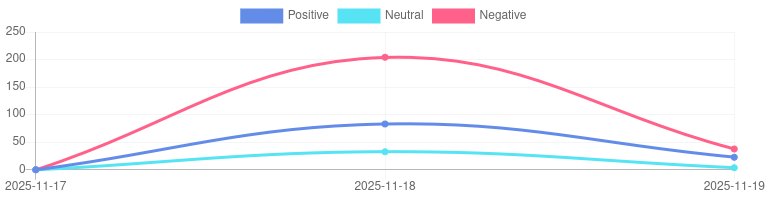
Among the well-known platforms impacted were:
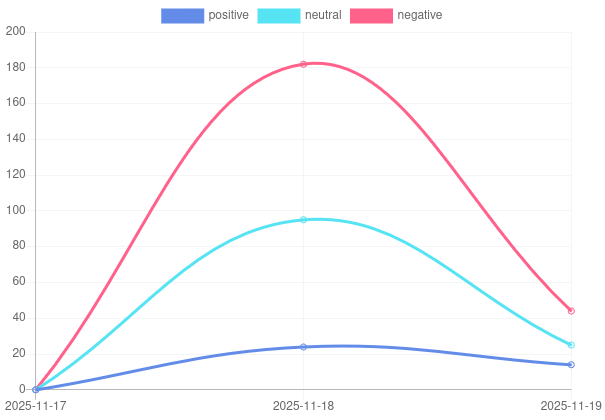
On social media, users expressed frustration, confusion, and panic. Newstensity captured waves of negative conversations on X (formerly Twitter), where influencers and media accounts received huge engagement as people searched for explanations.

The outage quickly became trending content, with users joking, complaining, or speculating about the internet’s fragility during such incidents.
For technology practitioners, the Cloudflare outage evoked memories of similar large-scale failures that occurred within the same month:
Even the world’s largest tech giants are not immune to cascading failures in the modern internet infrastructure.
In the end, the incident served as a powerful reminder: The internet is built on many layers of interconnected services — and one single point of failure can trigger widespread consequences.
To ensure continuity, organizations must prepare alternative service options, whether through multi-cloud setups, hybrid infrastructure, or self-hosted backups.
Redundancy is no longer just a technical preference. It is an investment in resilience, a necessary safeguard against unpredictable outages that may strike again.

AI brand visibility is how often, how accurately, and in what context your brand appears in answers from AI-powered search…

binomedia
The DTSEN social assistance decile controversy in 2026 is not merely about inaccurate data. Media monitoring and digital conversation analysis…
binomedia

Indonesia’s gross domestic product (GDP) grew by 5.29 percent in the second quarter of 2026. This figure exceeded the median…
binomedia

Artificial intelligence (AI) is transforming education faster than most education systems can respond. Machines can now search for information, summarize…
binomedia

One Event, Two Market Moves On Monday, August 10, 2026, Indonesia’s rupiah closed 0.79% higher at IDR 17,755 per US…
binomedia

On Thursday, July 30, 2026, Indonesian President Prabowo Subianto announced a “cleanest city” competition. The top five cities would win…
binomedia

Before dawn on Friday, 24 July 2026, a mob in Bali beat a man to death. He is identified only…
binomedia

Gen Z is increasingly tuning out advertisements that look overly polished and perfect. Instead, they tend to trust recommendations from…
binomedia

On June 10, 2026, Indomie brought back its Goreng Cabe Ijo flavor after the product had been difficult to find…
binomedia

Companies today use AI to read customer data, monitor public conversations, measure reputation, map issues, and support strategic decision-making. In…
binomedia